Common problems with wedding flowers in Hampton and fixes
Posted on 12/10/2026
Wedding flowers should feel effortless on the day. In reality, they can be one of the easiest parts of a wedding to get slightly wrong. Budgets shift, bouquets droop, colours look different in venue lighting, and last-minute changes happen. If you're planning wedding flowers in Hampton, the good news is that most of the common issues are predictable and fixable. The trick is knowing what to watch for early, before a beautiful idea turns into a small panic five minutes before the ceremony.
This guide breaks down the most common problems with wedding flowers in Hampton and fixes that actually work in the real world. You'll find practical advice on booking, timing, flower choice, seasonal planning, delivery, keeping arrangements fresh, and avoiding those awkward mismatches that can creep in between mood board and aisle. Let's face it, the details matter here. And flowers are very much a detail you can feel in the room.
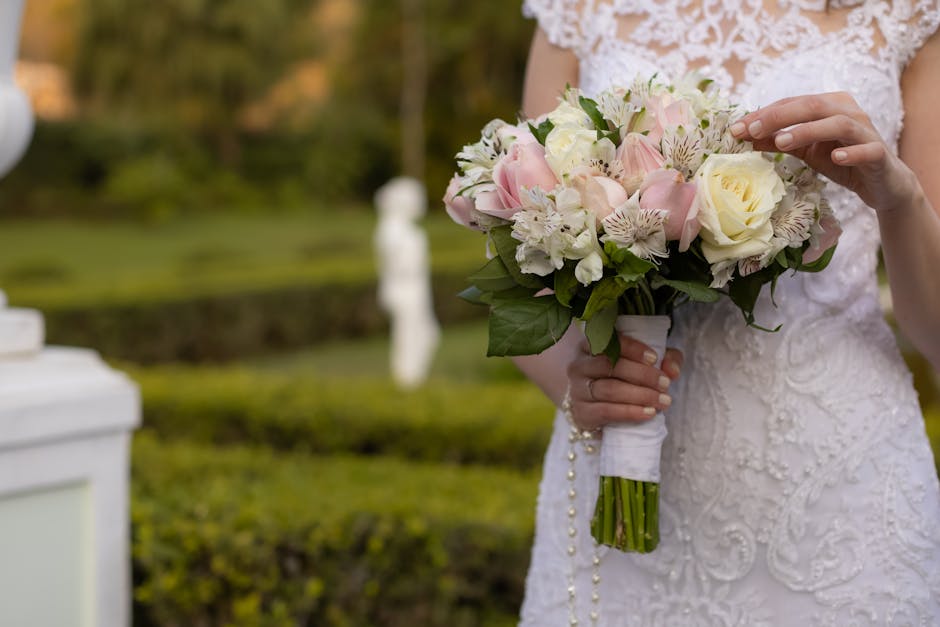
Why Common problems with wedding flowers in Hampton and fixes Matters
Flowers do more than decorate a venue. They shape the mood of the day, show up in photos, and quietly pull the whole styling plan together. When they're right, nobody thinks about them separately; they just make everything feel polished. When they're wrong, everyone notices. A bouquet that looks heavier than expected, table flowers that block conversation, or buttonholes that wilt before the vows can throw off the feel of the whole wedding.
That matters even more in Hampton, where weddings can range from intimate local gatherings to larger celebrations with guests arriving from across London and Surrey. You may be working with a church, a function room, a riverside venue, or a home reception. Different spaces bring different challenges: natural light, transport time, temperature changes, narrow loading access, and set-up windows that are, truth be told, sometimes smaller than you'd like.
Fixing wedding flower problems early saves money, stress, and a good deal of awkwardness. It also helps you make smarter choices. For instance, if you know a ceremony is running late in the afternoon, you can choose hardier blooms or structure the designs in a way that keeps them looking fresh until the evening. That sort of planning is boring on paper. On the day, it's gold.
Expert summary: Most wedding flower issues come from three things: unclear expectations, unsuitable flower choices, and poor timing. Get those three right and you avoid the majority of headaches before they begin.
How Common problems with wedding flowers in Hampton and fixes Works
At its simplest, wedding flower planning works like a chain. You choose a style, match it to the venue and season, agree quantities, set a delivery window, and then rely on the flowers staying presentable until the key moments are over. Break one link and the whole plan can wobble. That's why a fix for wedding flower problems usually isn't one dramatic solution. It's a series of small, practical adjustments.
Here's what that means in practice:
- Style mismatch: You may love a dramatic, garden-heavy look, but your venue may suit something cleaner and more structured.
- Flower availability: Some blooms simply perform better at certain times of year, and substitutes may be needed.
- Delivery and set-up timing: Flowers should arrive close enough to the ceremony to stay fresh, but early enough for calm installation.
- Temperature and hydration: Heat, direct sunlight, and long waits in cars or back rooms can shorten vase life quickly.
- Communication gaps: A vague brief can lead to the wrong shade, scale, or structure. You know the feeling: everyone thinks someone else has confirmed the details.
If you're ordering from a local specialist such as wedding flowers in Hampton, the process usually becomes easier because local knowledge matters. A florist who understands typical venue constraints, travel routes, and the pace of local deliveries can help you choose arrangements that actually hold up in the real setting, not just on a mood board.
In many cases, the fix starts with asking better questions: How long will the flowers be out of water? Is the ceremony indoors or outside? Will the bridesmaids carry bouquets for long periods? Will the centrepieces need to stay low so guests can talk comfortably? Those are the boring questions. They are also the useful ones.
Key Benefits and Practical Advantages
When you tackle common flower problems properly, you get more than prettier arrangements. You get predictability, comfort, and a calmer wedding day. That might sound unglamorous, but it's the sort of advantage couples remember afterwards.
- Better value for money: Flowers chosen with the venue, season, and timing in mind last longer and waste less product.
- Stronger visual impact: Well-balanced arrangements photograph better and look more intentional in the room.
- Less day-of stress: Clear delivery and set-up plans reduce the chance of last-minute chasing.
- More comfortable guests: Table flowers that stay low and neat support conversation rather than getting in the way.
- Better consistency: Matching bouquets, buttonholes, corsages, and table pieces create a cohesive feel without overdoing it.
- Improved flower longevity: Choosing sturdier blooms and handling them correctly helps them look fresh throughout the event.
There's also a quieter benefit: confidence. When you know the arrangements are planned sensibly, you stop second-guessing every detail. That matters more than people admit. Weddings already come with enough decisions.
If you're browsing floral styles, it can help to compare the tone of different options. For example, wedding bridal bouquets, wedding bridesmaid bouquets, wedding buttonholes, and wedding table arrangements each solve a slightly different part of the day. Thinking in those categories keeps the order balanced instead of lopsided.
Who This Is For and When It Makes Sense
This guide is for anyone planning wedding flowers in Hampton who wants fewer surprises and better results. That includes couples doing most of the organising themselves, families helping with details, and anyone working to a fixed budget but still wanting the day to feel elegant.
It's especially useful if:
- your wedding date is in a busy season and flower availability may be tighter
- you're combining different venues, such as a ceremony space and a separate reception location
- you need flowers to last through photographs, travel, and a long reception
- you've seen a design you love online but aren't sure it will suit your venue
- you want a local delivery plan rather than a last-minute scramble from farther away
It also makes sense if you're trying to decide between statement flowers and simpler arrangements. There's no shame in choosing fewer flowers done well. In fact, that's often the smarter route. A clean bouquet and a few thoughtful table pieces can look far more elegant than a room crammed with stressed-looking blooms.
If you're still at the browsing stage, looking through the wider weddings collection can help you understand what style of designs are available before you lock in your final plan. You may find a simpler route you like more than the original idea. Happens all the time.
Step-by-Step Guidance
Here's a practical way to avoid the most common problems with wedding flowers in Hampton and fixes before they become expensive or stressful.
- Start with the venue, not the bouquet. Look at the room, light, table size, colour scheme, and where guests will actually stand or sit. A bouquet should fit the day, not fight it.
- Choose flowers that suit the season. If you love a certain bloom, great, but ask what will be freshest and most reliable around your date. Seasonal choices usually behave better and often cost less.
- Set priorities early. Decide what matters most: the bridal bouquet, ceremony urns, table centrepieces, buttonholes, or bridesmaid flowers. If the budget is tight, this stops the order becoming muddled.
- Confirm sizes and quantities clearly. "Small," "medium," and "large" can mean very different things. Ask for practical descriptions, or examples if possible.
- Plan delivery around the day's timetable. Flowers should not be sitting around in a warm room while hair and make-up run over. Timing is part of the design.
- Think about transport and storage. If the wedding starts at home or the venue has limited prep space, make sure someone knows where flowers will be held safely.
- Review substitutions in advance. Good florists will suggest alternatives if a bloom is unavailable. Agree the style of substitute before the week of the wedding.
- Check the final plan against the guest experience. Will table flowers block conversation? Will a bouquet be too heavy for all-day carrying? Will buttonholes be practical on lighter fabrics? These little questions matter.
One very real example: a couple loves deep peonies in May, but their date slips into late summer. Rather than forcing an unreliable bloom, a florist might swap in similar-shaped roses and garden-style flowers that keep the softness of the original look. The effect can be just as romantic, and the stress drops away. Simple, really.
And if you're ordering add-ons or coordinating delivery, the general delivery information and flower care guidance can help you handle the practical side without guesswork. Not glamorous, but very useful.
Expert Tips for Better Results
After seeing many wedding plans, the same patterns show up again and again. These tips help you avoid the stuff people only notice once the room is already set up.
- Build around one strong colour story. Too many competing shades can make arrangements feel busy rather than elegant. A tight palette often looks more expensive.
- Use hardy focal flowers where possible. Roses, lilies, alstroemeria, chrysanthemums, and hydrangeas are often used in wedding work because they can be adapted well, though each still needs the right handling.
- Keep table pieces at practical height. Low arrangements tend to work best where guests need to talk across the table. Tall pieces can be lovely, but only when the layout supports them.
- Match flower scale to dress scale. A small bouquet can look lost with a dramatic gown, while an oversized hand-tied bouquet can overwhelm a petite dress.
- Allow for heat, wind, and travel. Even short journeys in a car can be enough to soften flowers if they're not protected properly. A sunny afternoon in Hampshire or southwest London can do surprising things.
- Ask for a plan B. Not dramatic. Just sensible. If one stem type is unavailable, what exactly will replace it? If delivery is delayed, who does what?
One thing people often forget: flowers are part of the visual rhythm of the day. They guide the eye in photos, soften hard edges, and break up plain linens or empty corners. So when in doubt, think about the room from the guest's point of view. What will they see first when they walk in? What will they notice when they sit down? Small stuff, big effect.
If you want a more tailored look, browsing specific bouquet and arrangement styles such as bridal bouquets, wedding corsages, or table arrangements can help you refine the brief before ordering. That sort of clarity usually leads to better outcomes and fewer awkward calls later.
Common Mistakes to Avoid
These are the mistakes that create the most avoidable wedding flower problems in Hampton. Some are budget-related, some are timing-related, and some are just a case of optimism winning over logistics. It happens.
- Ordering from inspiration alone: A Pinterest image may look stunning, but it might not suit your venue, budget, or season.
- Underestimating flower counts: A few arrangements can transform a space, but not if the room is larger than expected.
- Ignoring practical handling: Heavy bouquets, awkward buttonholes, and fragile designs can become tiring by the time photographs start.
- Leaving details until late: Confirmation should happen early enough for substitutions and sourcing, not the week before.
- Choosing every bloom individually: It can be better to agree the overall look and let the florist balance stem choice for you.
- Forgetting the weather: Outdoor ceremonies, warm cars, and direct sunlight all affect freshness.
- Not checking venue rules: Some locations have restrictions on candles, hanging installs, or access times. Flowers can be affected by those rules too.
A small but common problem is the gap between what's imagined and what's usable. A bouquet can look dreamy in close-up and still be awkward to carry for an hour. A centrepiece can look lush and still stop people from seeing each other across the table. That gap is where planning earns its keep.
Honestly, the most expensive mistake is not usually a fancy flower choice. It's the chain reaction caused by weak planning. A slightly less dramatic bloom choice, well executed, beats a stressed premium order almost every time.
Tools, Resources and Recommendations
You do not need a huge toolkit to plan wedding flowers well, but a few simple resources help a lot. Nothing flashy. Just the sort of things that keep everyone on the same page.
- Venue photos: Walk through pictures, table shots, and entrance images help you judge scale and colour.
- Colour swatches: Fabric samples are useful when matching bouquets to dresses, ties, napkins, or ribbons.
- Guest list and table plan: These determine how many buttonholes, corsages, and table flowers you'll need.
- Timing schedule: A simple run sheet helps coordinate delivery, set-up, photography, and the ceremony start.
- Flower-care notes: Ask how each arrangement should be stored before the event and what should happen after delivery.
For product browsing, the most useful place to start is often the category level rather than individual stems. Collections such as bridal bouquets, bridesmaid bouquets, buttonholes, and table arrangements help you compare the main parts of the floral brief side by side. That's a much cleaner way to make decisions than jumping between random product pages while half-distracted on your lunch break.
If you need a broad sense of the business before ordering, the about us, guarantees, and returns and refund pages are worth checking for general confidence around service expectations. It's always better to know what happens if plans change, even if you never need that safety net.
Law, Compliance, Standards, or Best Practice
Wedding flower planning is not usually heavy on legal requirements, but there are still sensible standards and best practices to keep in mind. In the UK, the main issues tend to be consumer clarity, safe handling, and venue rules rather than complicated formal compliance. That said, the details matter.
Best practice usually includes:
- Clear product descriptions: The size, style, and main components of arrangements should be understood before purchase.
- Transparent timing: Delivery windows and set-up arrangements should be agreed in advance.
- Reasonable substitution policy: If a flower is unavailable, substitutes should remain in the same general style and value where possible.
- Safe placement: Arrangements should not obstruct exits, trip routes, or emergency access in a venue.
- Venue permission: Some locations have their own rules about installations, petals, candles, or adhesives, and these should be checked before the day.
From a practical standpoint, it also helps to understand what a florist can reliably promise and what may vary. Natural products are never identical. Seasonal flowers differ slightly in shade, opening stage, and stem shape. That's normal. It is part of the charm, frankly. The goal is consistency in style, not machine-like sameness.
If you are coordinating a larger floral order, the general policies around terms and conditions, payment, and privacy policy can also help you understand how orders are handled and what information is needed to process them properly.
Options, Methods, or Comparison Table
One of the easiest ways to reduce wedding flower problems is to choose the right style of arrangement for the right job. A bouquet, a buttonhole, and a table centrepiece are not interchangeable. They solve different problems. Here's a simple comparison to make that clearer.
| Flower element | Best for | Common problem | Simple fix |
|---|---|---|---|
| Bridal bouquet | Main photo moments and aisle walking | Too heavy, too large, or awkward to hold | Keep the shape balanced and confirm a comfortable grip size |
| Bridesmaid bouquets | Supporting the bridal look without competing with it | Clashes with dresses or overwhelms smaller frames | Use a scaled-down version of the bridal style |
| Buttonholes | Groom, ushers, and key guests | Wilt quickly or sit badly on clothing | Choose compact designs with secure fastening |
| Table arrangements | Reception styling and guest atmosphere | Blocks conversation or looks sparse on large tables | Match height and scale to the table layout |
| Corsages | Parents, close relatives, or honoured guests | Can be too delicate for long wear | Choose sturdy flowers and secure attachment |
There's no single "best" method for every wedding. A small registry ceremony with a simple lunch can work beautifully with fewer, tighter arrangements. A bigger reception may need a clearer statement across several flower zones. Different day, different answer. Pretty basic, but easy to forget when you're looking at lovely images online.
Case Study or Real-World Example
A couple planning a late-spring wedding in Hampton wanted a soft, romantic look with pale blooms, lots of texture, and a few standout pieces for the ceremony and reception. Their first idea included a number of delicate flowers that looked beautiful in reference images but were not the most reliable choice for the timing and travel involved. They also wanted tall centrepieces, which would have looked lovely in theory but would have made dining awkward.
The fix was straightforward. The plan was simplified into a balanced package: one statement bridal bouquet, scaled bridesmaid bouquets, neat buttonholes, and low table arrangements that echoed the same colours. A sturdier mix of flowers was used, and delivery was timed later in the morning so the pieces spent less time sitting around before the ceremony. The overall effect still felt elegant, but it was calmer and more practical.
What changed most was not the appearance. It was the feel. The couple could enjoy getting ready instead of checking the clock every ten minutes. The flowers arrived, were placed quickly, and held up through photographs and dinner without obvious issues. That's the sort of success people rarely post about, because it looks easy from the outside. But the planning behind it is doing a lot of work.
That's the real lesson here: the best wedding flowers are not always the most elaborate ones. Often they're the ones that look effortless because they were thought through properly from the start.
Practical Checklist
Use this checklist before finalising your wedding flowers in Hampton. A quick run-through now can save a lot of fiddling later.
- Have you confirmed the ceremony and reception locations?
- Do you know the date, timing, and set-up window?
- Have you chosen a clear colour palette?
- Do the flower choices suit the season?
- Have you decided which items matter most: bouquet, table pieces, buttonholes, corsages, or ceremony flowers?
- Are the bouquet size and table arrangement height practical?
- Have you checked if the venue has access or decoration rules?
- Do you know how flowers will be delivered and where they will be stored on arrival?
- Has substitution guidance been discussed?
- Are payment, order details, and contact information confirmed?
- Have you thought about how the flowers will look in photos and in evening light?
- Have you arranged a backup contact for the wedding day?
If most of those are already covered, you're in good shape. If not, don't worry. There is still time to tidy up the plan. The important thing is to catch the wobble before it becomes visible.
Get a free quote today and see how much you can save.
Conclusion
Common problems with wedding flowers in Hampton and fixes are usually less about "bad flowers" and more about avoidable planning gaps. The biggest wins come from choosing designs that suit the venue, the season, and the timetable; confirming sizes and substitutions early; and keeping the whole setup practical as well as beautiful. That approach gives you flowers that look good in the room, last through the day, and support the atmosphere you actually want.
If you take one thing away, let it be this: the best wedding flower plan is the one that works on the day, not just in the imagination. Keep it clear, keep it simple where needed, and trust the details. The day has enough moving parts already. Your flowers should make life easier, not busier. And when they're done well, they do exactly that.
In the end, a thoughtful floral plan brings a quiet kind of joy. You notice it in the photos, in the room, and in the way everything settles into place. Lovely, really.
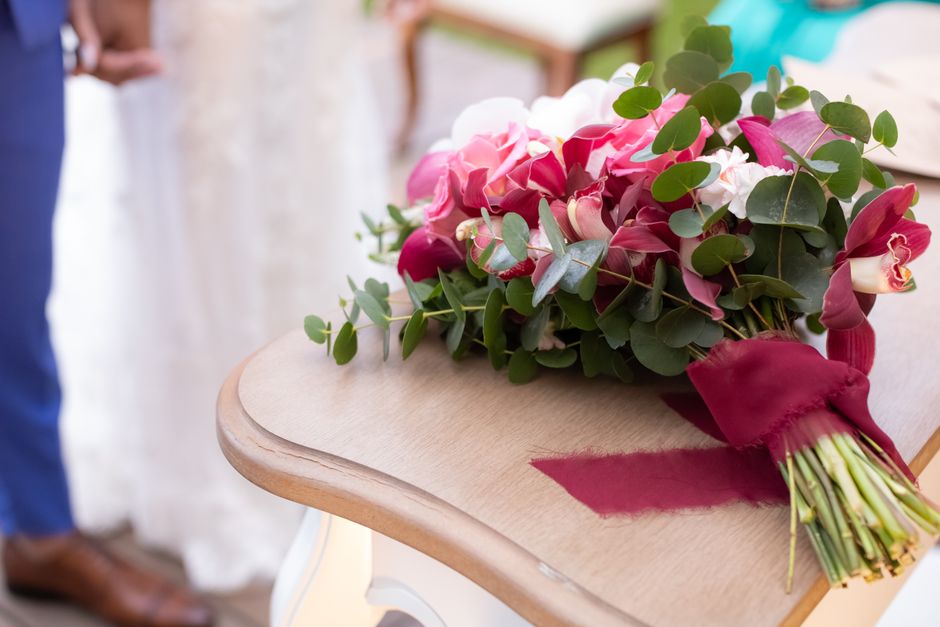
Frequently Asked Questions
What are the most common problems with wedding flowers in Hampton?
The most common issues are flowers arriving too early or too late, arrangements not matching the venue, blooms wilting in warm conditions, and brief miscommunication about size or colour. Most of these can be fixed with better planning and clearer timing.
How do I stop wedding flowers from wilting on the day?
Choose sturdier blooms where appropriate, keep flowers hydrated for as long as possible before set-up, avoid direct heat or sunlight, and time delivery close to when the flowers will be used. A reliable holding space at the venue also helps a great deal.
What flowers work best for a wedding in Hampton?
That depends on the date and style, but many couples use roses, lilies, alstroemeria, chrysanthemums, hydrangeas, and seasonal mixed flowers because they can be arranged in a wide range of looks. A local florist can suggest the best options for your specific timing.
How early should I book wedding flowers?
As early as you can, especially if your date falls in a busy wedding season. Booking early gives more time to plan around flower availability, venue access, and any changes to the order. It also makes substitutions much easier if needed.
Why do wedding flowers sometimes look different from the inspiration photos?
Photos often show flowers in peak condition, styled under ideal lighting, and sometimes with varieties that are seasonal or imported. Your final result may vary slightly because of season, availability, and venue conditions. That's normal, but the style should still feel consistent.
What should I do if my wedding budget is tight?
Prioritise the flowers guests will see most, such as the bridal bouquet, ceremony pieces, and key table arrangements. Simplifying the number of flower types and choosing seasonal blooms can also help. A smaller, well-planned order usually looks better than a stretched one.
Are buttonholes and corsages really necessary?
Not always. They're useful if you want to recognise key family members or keep the wedding party visually coordinated, but they are optional. If the budget is tight, these can be reduced or kept simple without harming the overall look.
How can I make sure the flowers suit my venue?
Share photos of the venue, table layout, and ceremony space before confirming the order. Ask about room size, table shape, natural light, and any restrictions. Those details help determine whether you need low arrangements, compact bouquets, or larger statement pieces.
What if the florist has to substitute flowers?
Good substitutes should stay within the same overall style, colour direction, and value range as closely as possible. Ask in advance what the substitution approach is so you are not surprised on the day. In practice, a thoughtful substitute is often invisible to guests.
Can wedding flowers be delivered on the same day?
Yes, often they can, provided the delivery window and venue access are planned properly. Same-day delivery is especially helpful for keeping flowers fresh, but it must be timed around preparation, photos, and ceremony start times.
What is the best way to compare wedding flower options?
Compare by function first, not just by appearance. Look at bridal bouquets, bridesmaid bouquets, buttonholes, corsages, and table arrangements separately, then bring the styles together into one overall colour and texture plan. That keeps the order tidy and practical.
Do I need to worry about venue rules or compliance?
Usually the main concern is best practice rather than heavy regulation. Still, you should check venue rules on access, installations, and decorations, and make sure arrangements do not obstruct walkways or exits. It's sensible, and it avoids last-minute problems.